

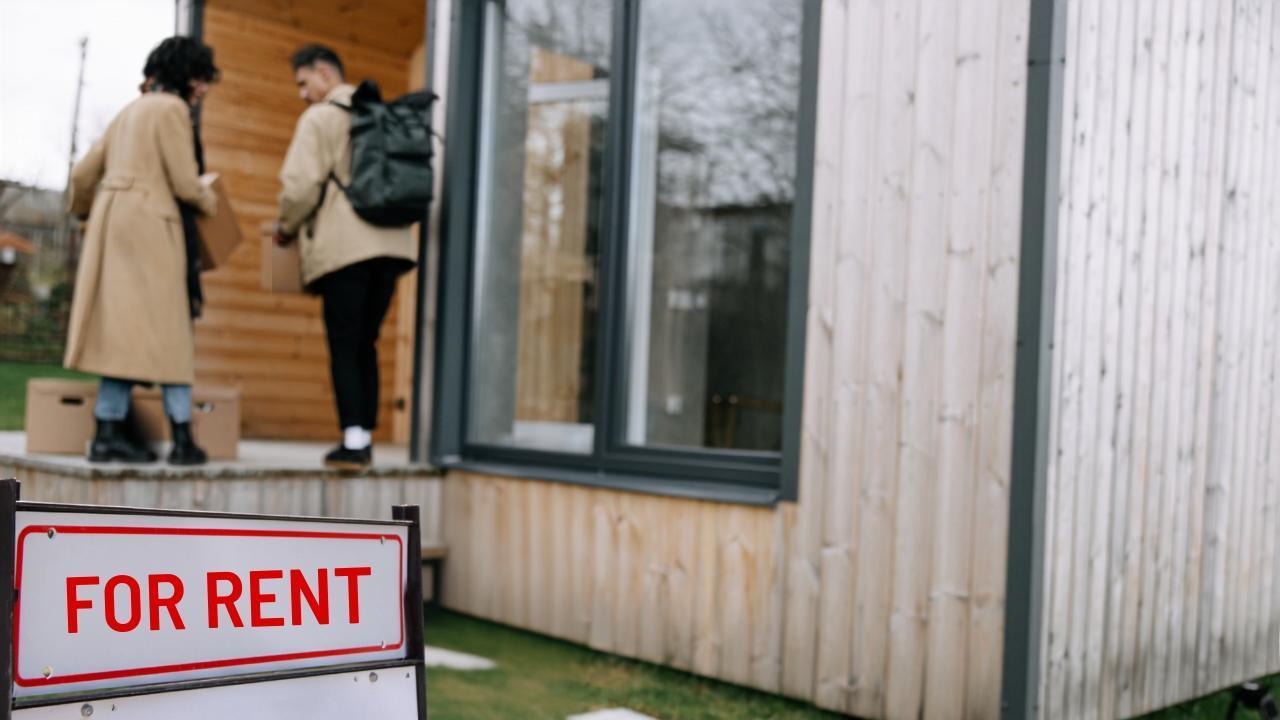
Landlord’s Guide: Should You Sell Your Rental Property With Tenants or Vacant?
Owning a rental property can provide steady income, but there may come a time when selling becomes the better option. Some landlords are ready to retire, while others want to reduce maintenance costs, deal with difficult tenants, or invest elsewhere. Whatever the reason, selling a rental property comes with important decisions that can affect your timeline, finances, and overall experience.
One of the biggest questions landlords face is whether to sell the property with tenants still living there or wait until it becomes vacant. Before making a decision, it is also important to understand tenant rights, possible tax consequences, and the different ways to sell a rental property.
Why Landlords Decide to Sell
Every landlord has different reasons for selling. Some common situations include:
- Rising repair and maintenance costs
- Unexpected vacancies
- Problem tenants
- Changes in the local housing market
- Retirement or lifestyle changes
- Wanting to simplify an investment portfolio
No matter the reason, having a plan before listing the property can help you avoid unnecessary stress and delays.
Selling With Tenants in Place
Selling an occupied rental property is more common than many people realize. In some cases, it can even be an advantage.
Benefits of Selling With Tenants
If your tenants consistently pay rent and take good care of the property, another investor may see that as a valuable opportunity. Instead of searching for tenants after buying the home, the new owner begins receiving rental income immediately.
Keeping tenants in place may also allow you to continue collecting rent while the property is being marketed or while you negotiate a sale.
Challenges to Consider
Selling with tenants also comes with challenges.
Scheduling showings can become more complicated because tenants have the right to proper notice before someone enters the property. A tenant who is unhappy about the sale may not keep the home presentable or may make showings difficult.
Some traditional homebuyers also prefer vacant homes because they want to move in themselves rather than become landlords.
Waiting Until the Property Is Vacant
Some landlords choose to wait until the lease ends before selling.
Advantages of Selling Vacant
A vacant property is generally easier to clean, stage, photograph, and show to buyers. Buyers can visit without coordinating with tenants, which often creates a smoother selling process.
Vacant homes also appeal to a larger group of buyers, including families looking for a primary residence.
Potential Drawbacks
Waiting for tenants to move out can delay your plans by several months if they have time remaining on their lease. During that period, you are still responsible for taxes, insurance, maintenance, and any unexpected repairs.
If the property sits vacant after the tenant leaves, you may also lose rental income while waiting for a buyer.
Understanding Tenant Rights During a Sale
One of the biggest misconceptions is that selling a rental property automatically requires tenants to move out. In many cases, that is not true.
A property sale does not usually end a valid lease agreement. If tenants have a fixed-term lease, the new owner often assumes the responsibilities of that lease. Month-to-month agreements may provide more flexibility, but the rules depend on state and local laws.
Landlord and tenant laws vary by state and sometimes by city. Before making any decisions, review your local regulations or speak with a qualified real estate attorney if you have questions.
Maintaining open communication with tenants can also make the process much easier. Giving proper notice before showings and respecting their rights often leads to better cooperation throughout the sale.
Tax Considerations Before Selling
Selling a rental property can have tax consequences, so it is wise to plan ahead.
Some landlords may owe capital gains tax if the property has increased in value. Others may also face depreciation recapture, which can affect the total amount of tax owed.
In certain situations, a Section 1031 exchange may allow investors to defer some taxes by purchasing another qualifying investment property. However, this strategy has strict rules and deadlines.
Tax situations are different for every property owner. Before selling, consult a qualified tax professional who can explain how the sale may affect your specific situation.
Traditional Sale vs. Selling to a Cash Buyer
Many landlords automatically think they need to list their rental property with a real estate agent. While that works well for some sellers, it is not the only option.
Traditional Listing
Selling through the traditional market may produce a higher sale price in some situations, especially if the property is in excellent condition and the local market is strong.
However, landlords should also expect expenses and delays such as:
- Repairs and updates
- Cleaning and staging
- Professional photography
- Multiple showings
- Buyer financing approvals
- Inspections and appraisals
If a buyer’s financing falls through, the process may need to start over.
Selling Directly to a Cash Buyer
A direct sale to a cash buyer offers a different approach.
Instead of preparing the property for the open market, landlords receive an offer based on the property’s current condition. Since there is no lender involved, the closing process is often much faster and more predictable.
This option may be especially helpful for landlords who are ready to move on without investing more time or money into the property.
When Selling As-Is Makes Sense
Selling a rental property as-is is not the right choice for everyone, but it can make sense in several situations.
It may be a practical solution if your property has:
- Deferred maintenance
- Aging systems or major repairs
- Long-term tenants
- Problem tenants
- Code violations
- Little time for renovations
Rather than spending weeks or months preparing the property, landlords can focus on moving forward with their next investment or personal goal.
A Simpler Option for Indianapolis Landlords
For local landlords, selling directly to cash home buyers in Indianapolis can simplify the process.
KK Buys Indy Homes works with rental property owners who want to sell without repairs, cleaning, or listing the home on the market. They purchase properties in their current condition and can often buy homes even when tenants are still living there.
This allows landlords to avoid coordinating multiple showings, making costly improvements, or waiting for buyer financing. Every situation is different, but for many owners looking for a straightforward exit, selling directly can save time and reduce stress.
Final Thoughts
Selling a rental property involves more than choosing a buyer. Landlords should carefully consider tenant rights, possible tax implications, market conditions, and whether selling with tenants or after the property becomes vacant best fits their goals.
There is no single solution for every landlord. The right decision depends on your timeline, the condition of the property, your lease agreements, and your financial objectives.
If you own a rental property in Indianapolis and want a simple way to sell without repairs or listing it on the market, KK Buys Indy Homes can provide a fair cash offer and purchase the property as-is, even if tenants are still occupying the home. Exploring all your options can help you choose the path that best supports your next step.